
Why Restaurants Need Editorial Food Photography. Not Just Menu Photos
When most restaurants think about food photography, they think about menus.
Clear dishes. Clean plates. Straightforward images that show what a guest will receive.
Menu photography is important. But it’s only part of the story.
For restaurants in Boston and across New England, this distinction is even more important in a competitive dining scene where visual storytelling influences guest decisions long before a reservation is made.
If you want to attract the right guests, elevate your brand, and stand out in a crowded market, editorial food photography plays a much bigger role than most restaurant owners realize.
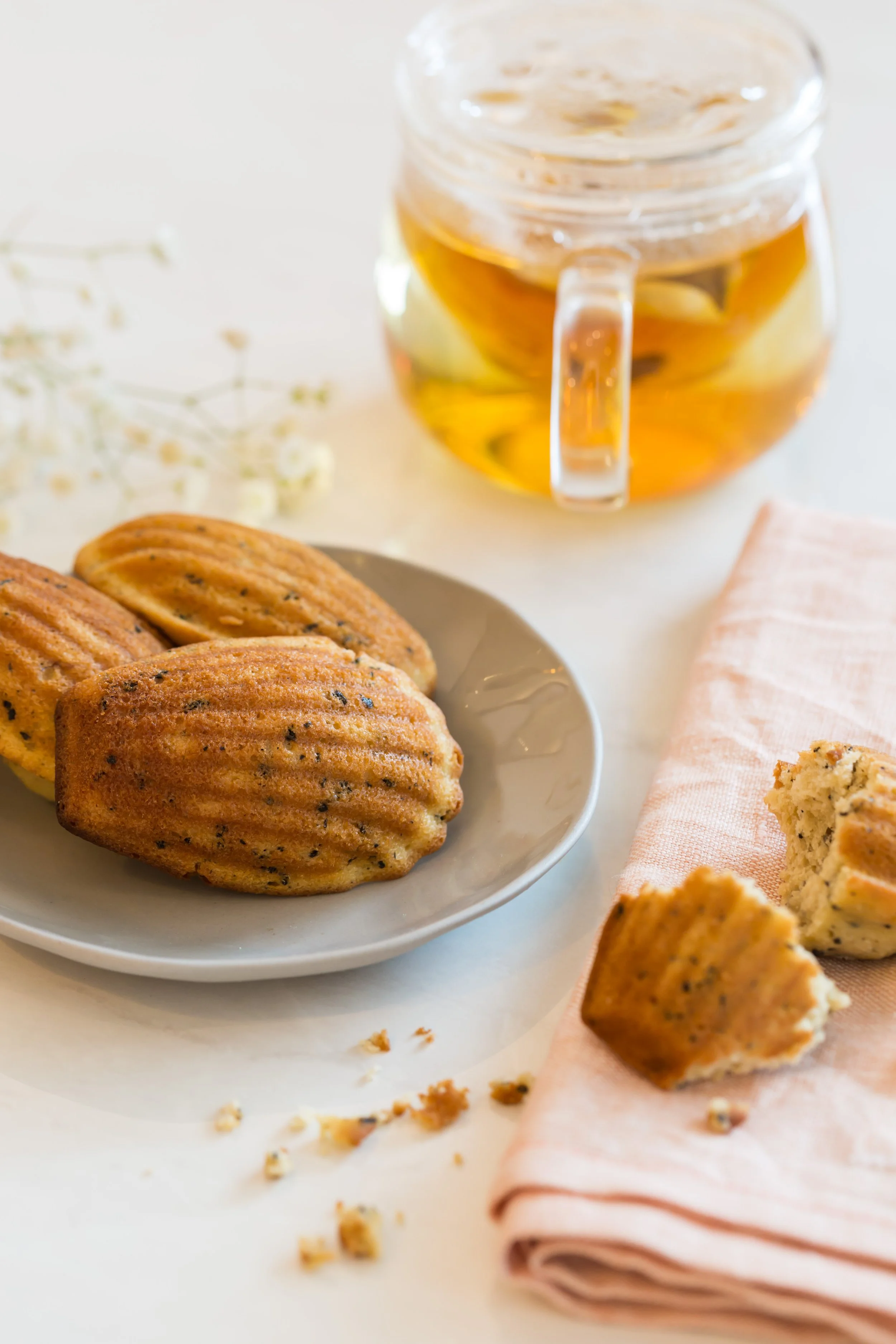
Menu Photos Show the Food. Editorial Photography Sells the Experience.
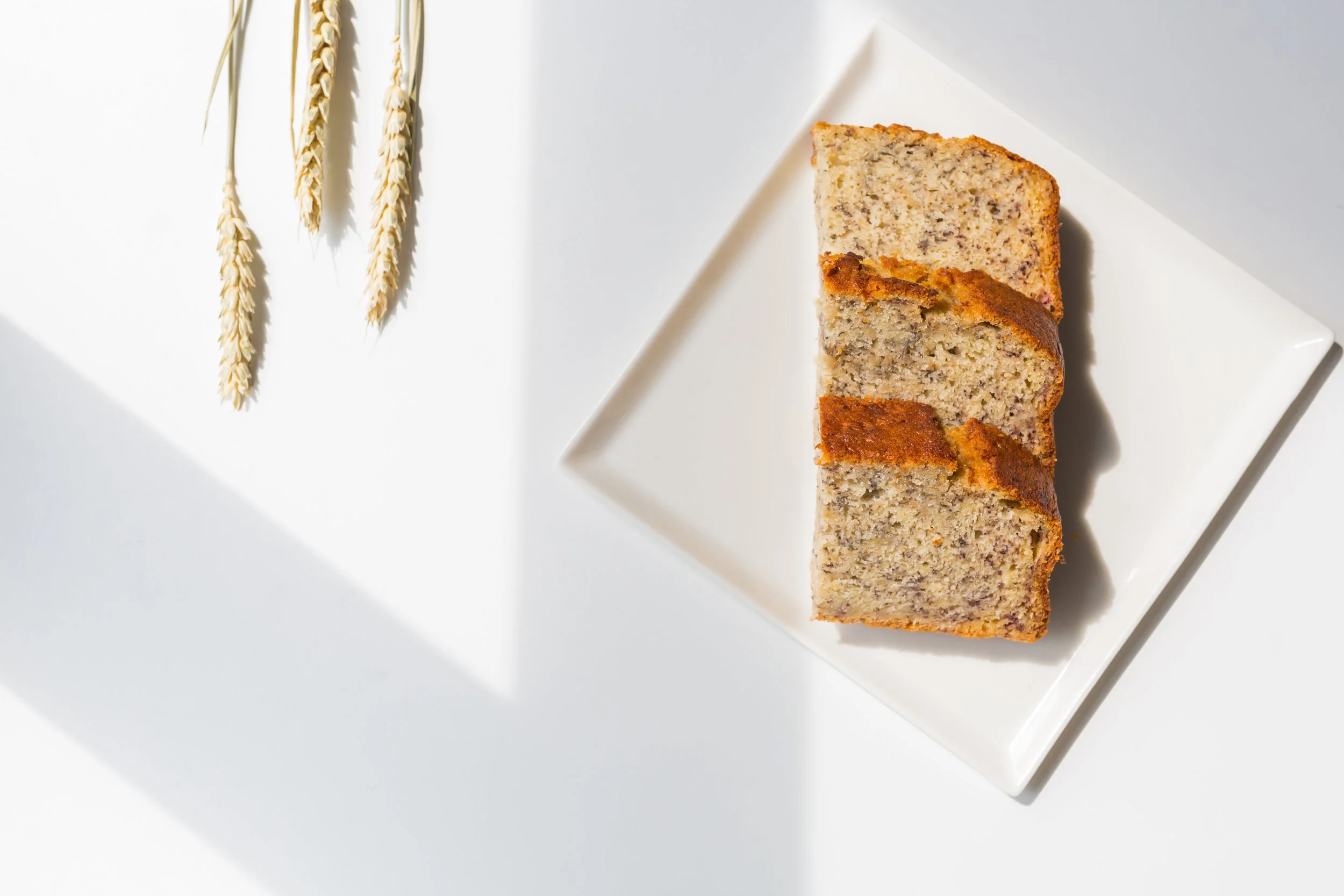
A minimal, menu-focused photograph of banana bread on a white plate, emphasizing clarity over atmosphere.
Menu photography answers one question:
What does this dish look like?
Editorial food photography answers many more:
What does it feel like to dine here?
Is this casual or elevated?
Is this a place for a quick meal or a special occasion?
Does this restaurant care about detail?
These are emotional questions. And emotion is what drives decisions.
For restaurants in Boston, where competition is strong and first impressions matter, editorial imagery can be the difference between being overlooked and being remembered.
Editorial imagery captures:
Atmosphere
Craft
Service moments
Ingredients and process
The personality of a space
That’s what people connect with before they ever read a menu.
Where Editorial Images Actually Get Used
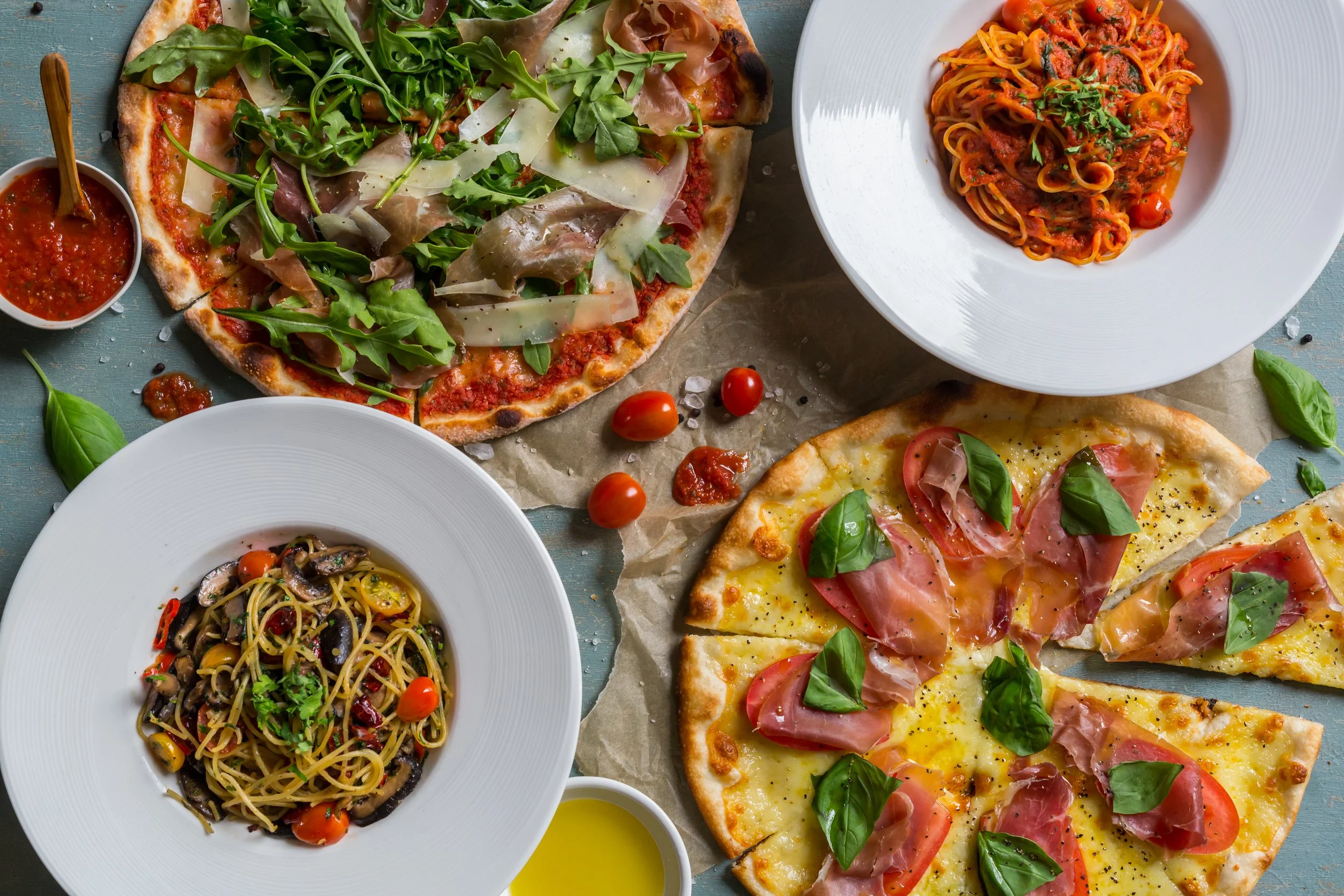
Overhead editorial food image featuring multiple pizzas and pasta dishes styled together on a table, highlighting menu variety, composition, and brand storytelling in a restaurant setting.
One of the biggest misconceptions is that editorial food photography has no clear purpose. In reality, these images often work harder than menu shots.
Editorial images are ideal for:
Website hero sections
Blog posts and SEO content
Social media storytelling
Press and media features
Email campaigns
Brand refreshes and re-launches
They’re also the images that editors, writers, and marketers gravitate toward when featuring a restaurant.
If you’d like to see how this approach looks in practice, explore my Boston food photography portfolio to view recent work created for restaurants and hospitality brands.
Why Google Likes Editorial Content Too
Search engines don’t just reward keywords. They reward context.
When you publish blog posts or content pages that include:
Thoughtful written content
Descriptive image titles
Natural image descriptions
Relevant internal links
You’re telling Google, “This business knows its space.”
Editorial images paired with written content:
Increase time on page
Reduce bounce rate
Add semantic relevance
Support long-tail search visibility
In other words, they help your site get found without feeling salesy.
Editorial Photography Helps You Charge More
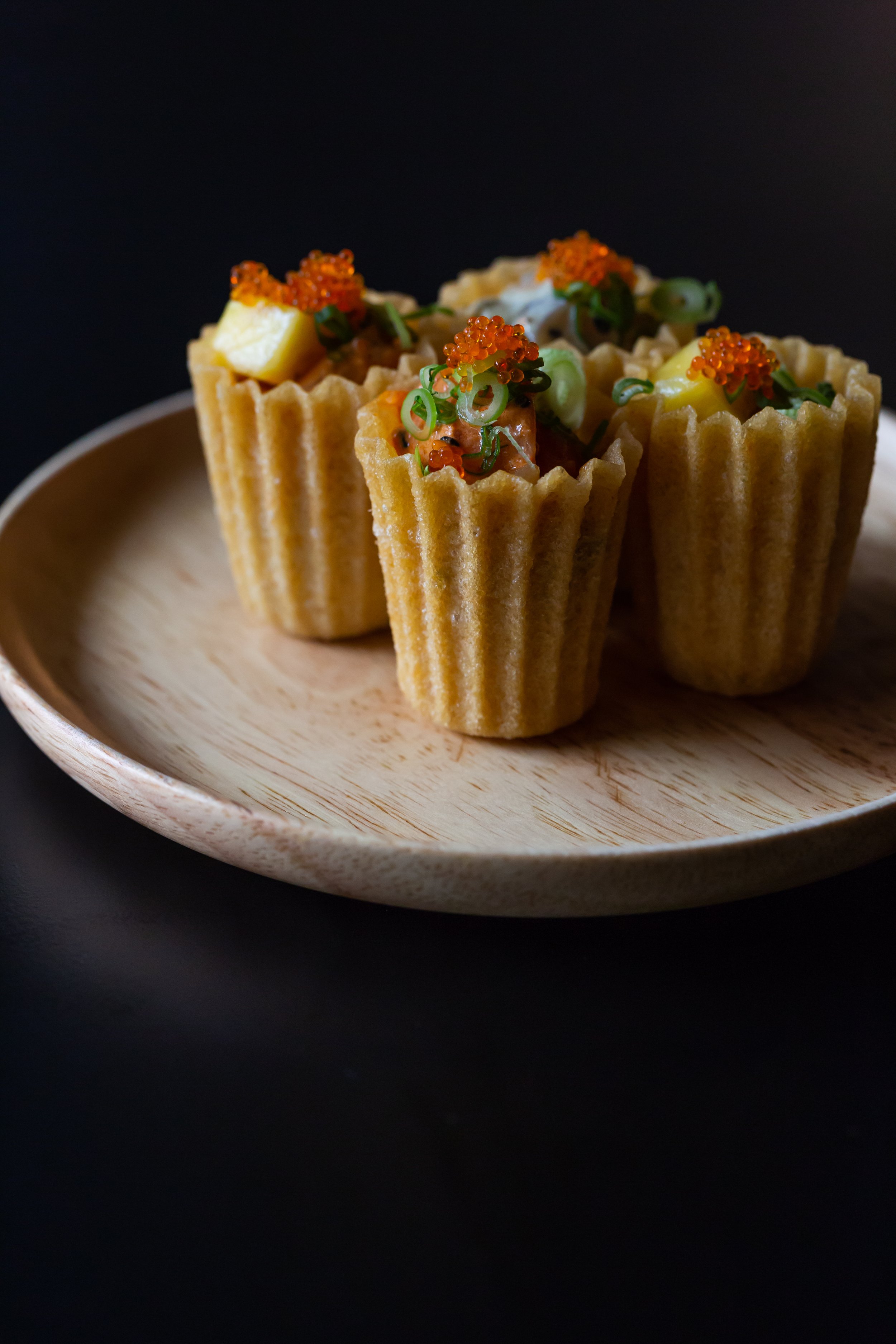
An editorial detail image emphasizing texture and intent over quantity.
From a photography standpoint, editorial work also changes the conversation.
Instead of:
“How many photos do we get?”
The discussion becomes:
“How do we visually tell our story?”
That shift matters.
Restaurants that invest in editorial imagery tend to:
Value quality over quantity
Think long-term about branding
Understand marketing beyond a single menu update
They’re better clients. And they see photography as an investment, not an expense.
Editorial Doesn’t Replace Menu Photography. It Complements It.
This isn’t an either/or decision.
The strongest restaurant websites and marketing materials combine:
Clean, clear menu images
Atmospheric editorial photographs
Detail shots and process moments
Together, they create a full visual language.
One shows the food.
The other shows the soul behind it.
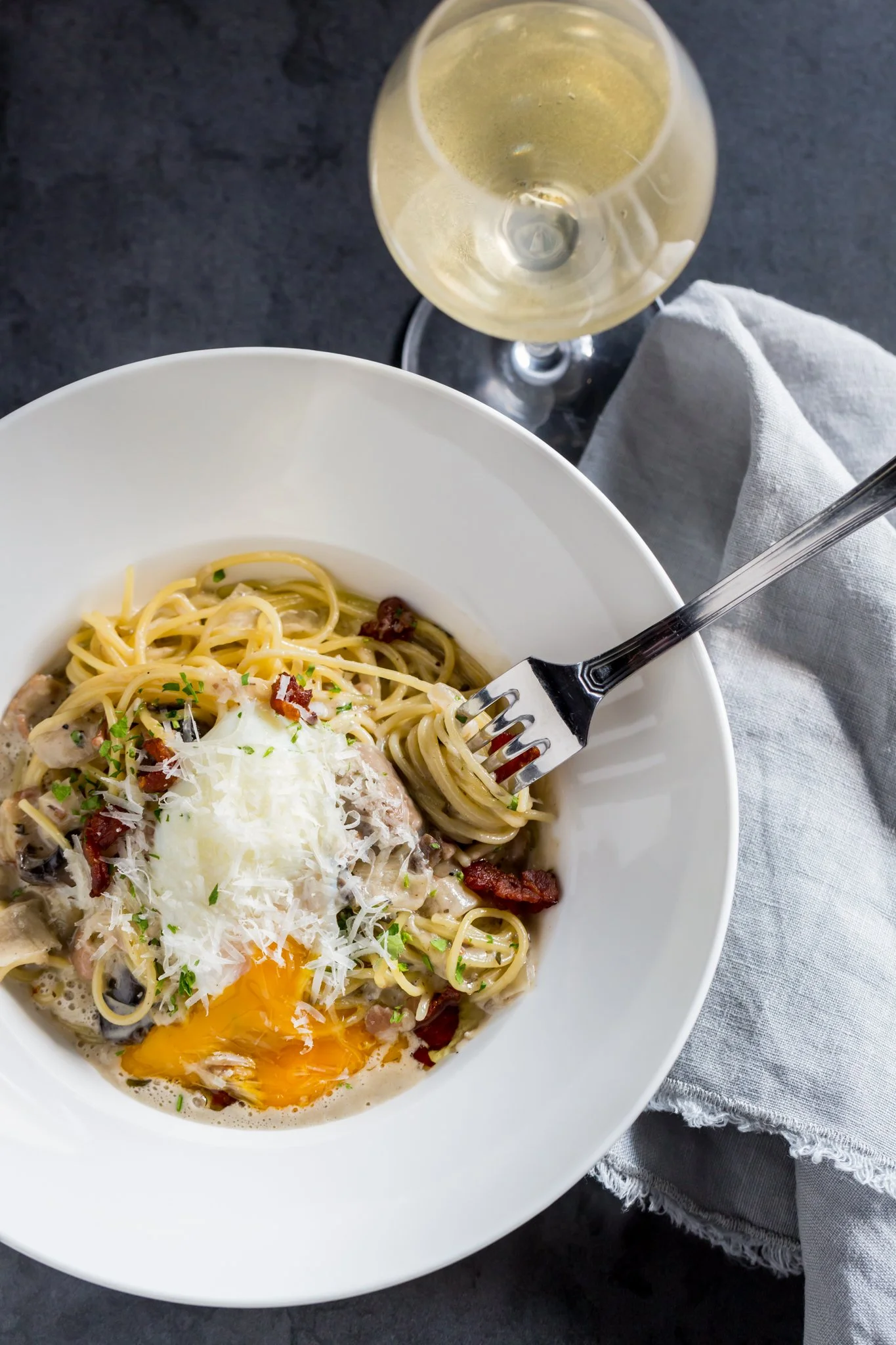
A moment that invites guests to imagine themselves at the table.
Final Thoughts
If your restaurant photography only shows dishes floating on white plates, you’re missing an opportunity.
Editorial food photography adds depth, credibility, and emotion. It helps guests imagine themselves at your table before they ever walk through the door.
And in a competitive market, that matters.