
Why Interior Photography Is About Flow, Not Just Rooms
When most people think about interior photography, they think in terms of individual rooms.
The kitchen.
The living room.
The primary suite.
Each space photographed clearly and correctly.
But strong interior photography isn’t just about documenting rooms.
It’s about showing how those rooms connect.
For homeowners, designers, and real estate agents in Boston, strong interior photography plays a critical role in how a space is perceived both online and in print.
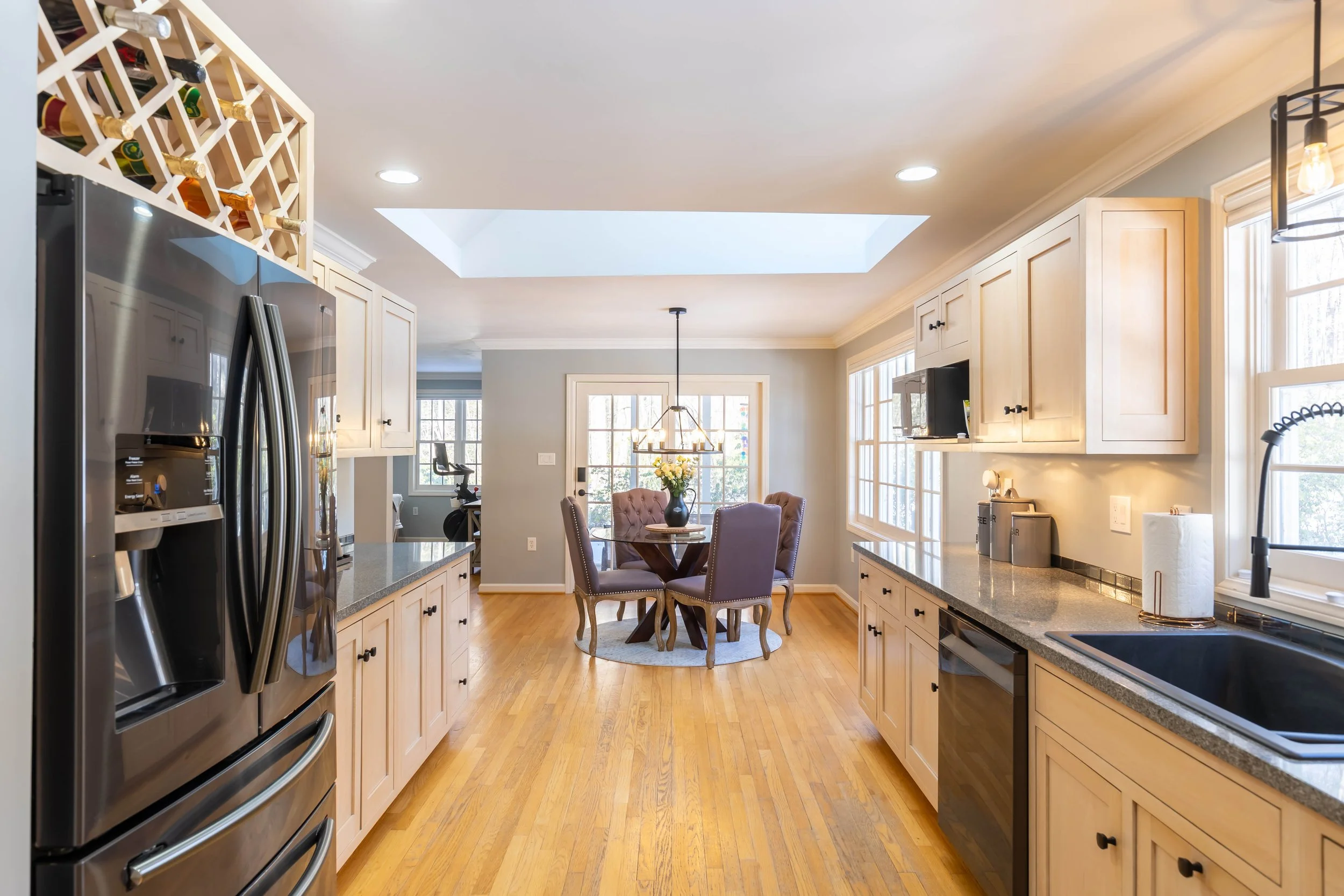
Buyers Don’t Experience Homes One Room at a Time
When someone walks through a property, they don’t mentally isolate each space. They move through it.
They notice how the kitchen opens into the dining area.
How natural light travels from one room to the next.
How sightlines create openness or privacy.
If photography doesn’t reflect that flow, the listing can feel disjointed, even if the home itself is beautifully designed.
Interior photography should mirror how a buyer experiences the space in person.
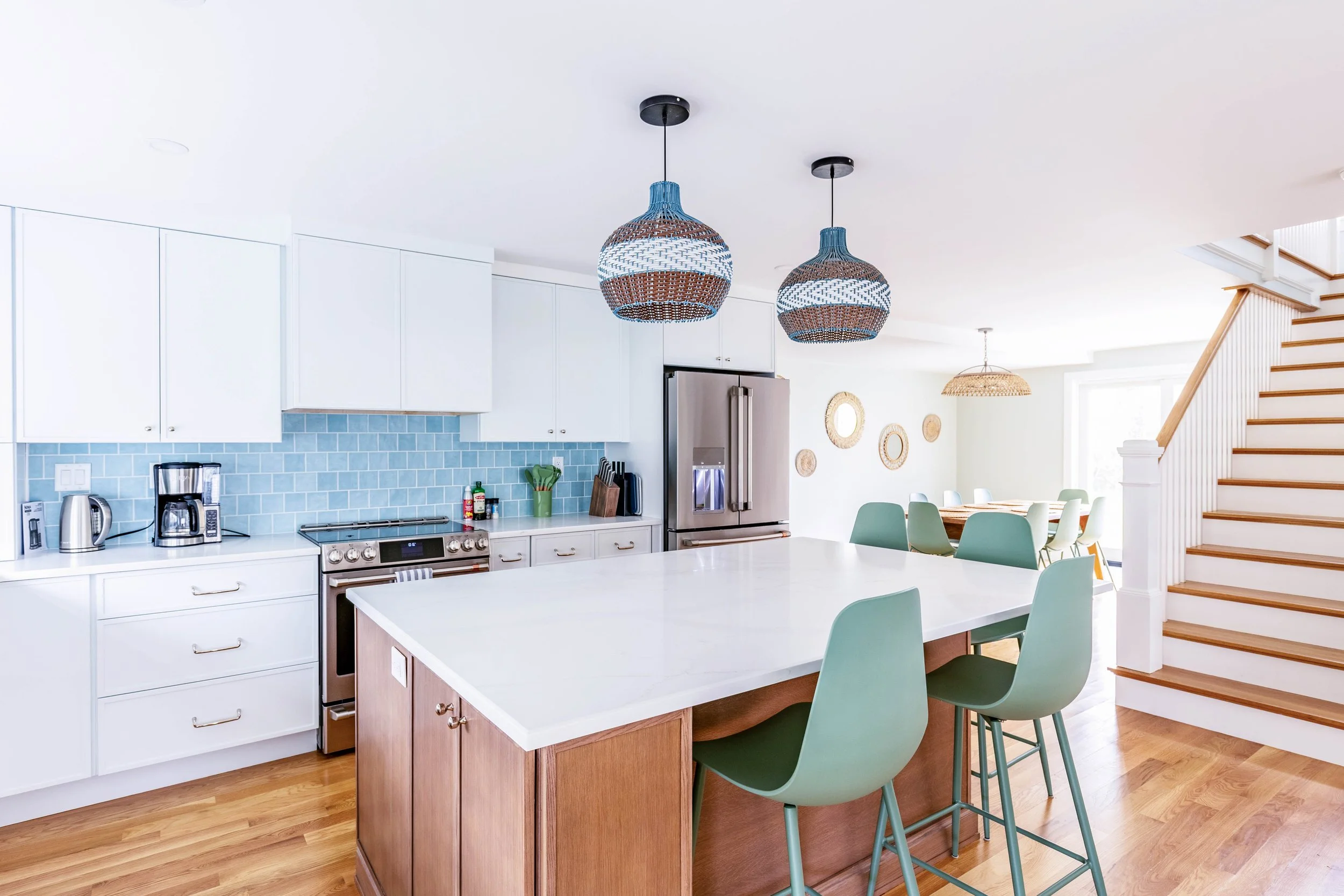
Flow Creates Emotional Clarity
A well-sequenced set of interior images does more than show features. It creates orientation.
Where am I in the home.
How does this space relate to the last one.
What’s around the corner.
When images answer those questions clearly, buyers feel more confident. And confidence leads to stronger engagement.
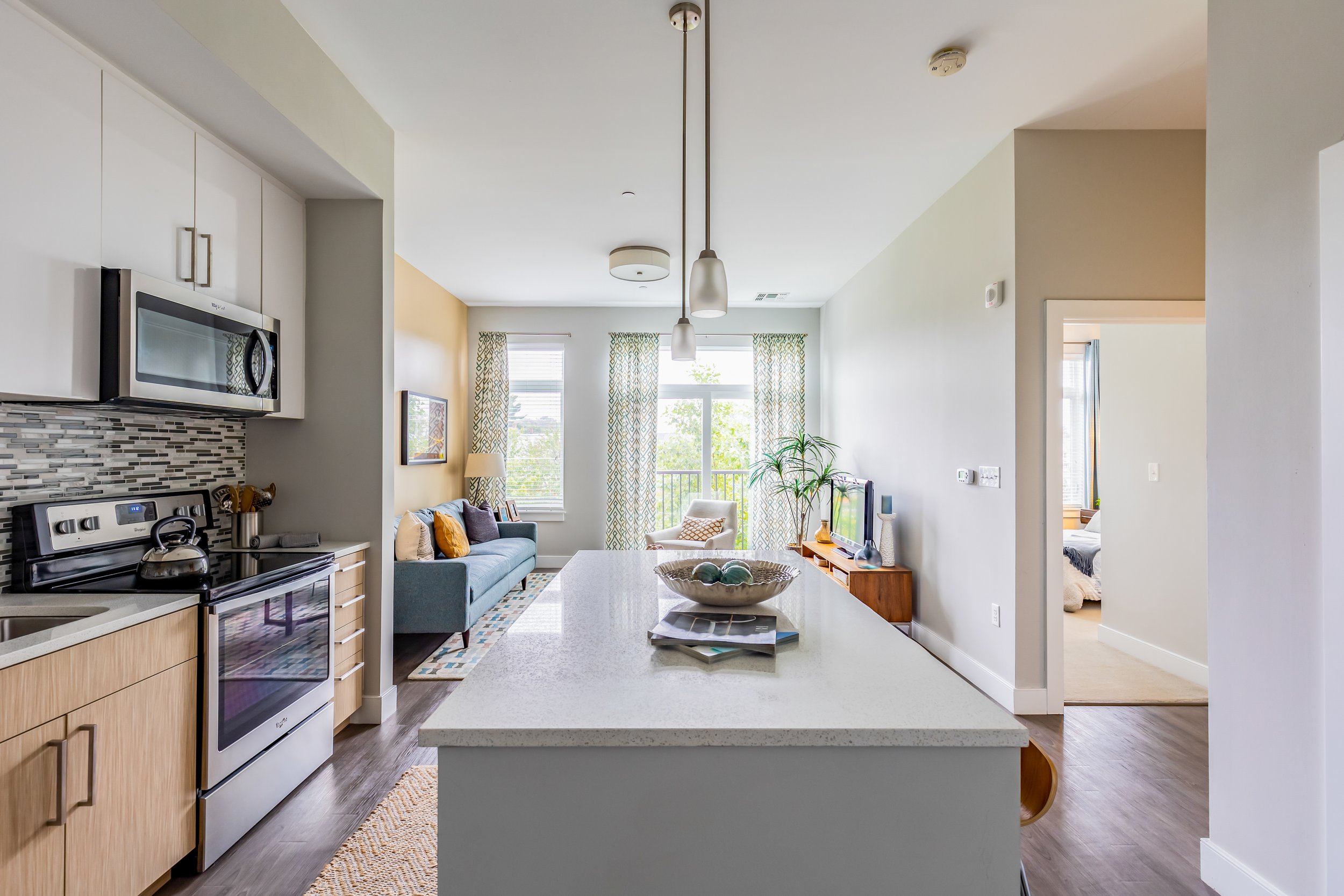
Composition Supports Perception
Interior photography isn’t just about wide angles. It’s about thoughtful framing.
Angles that show connection between spaces.
Lighting that feels natural and honest.
Compositions that feel balanced instead of distorted.
The goal isn’t to make a room look bigger than it is. The goal is to make it feel coherent.
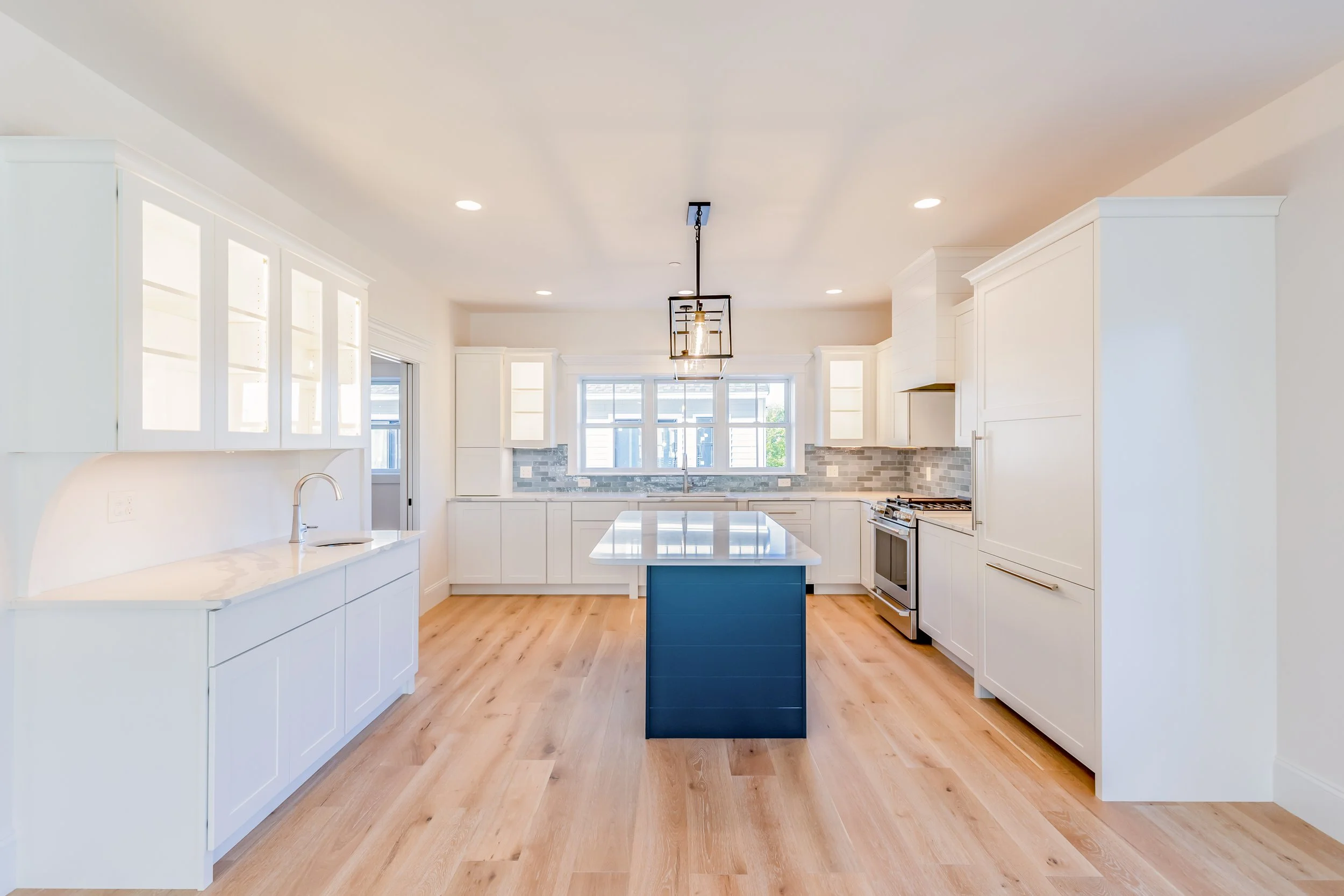
Details Reinforce Quality
While flow matters, details still play a role.
Material textures.
Architectural lines.
Built-ins and finishes.
Detail images work best when they support the larger narrative instead of interrupting it. They provide depth without breaking continuity.
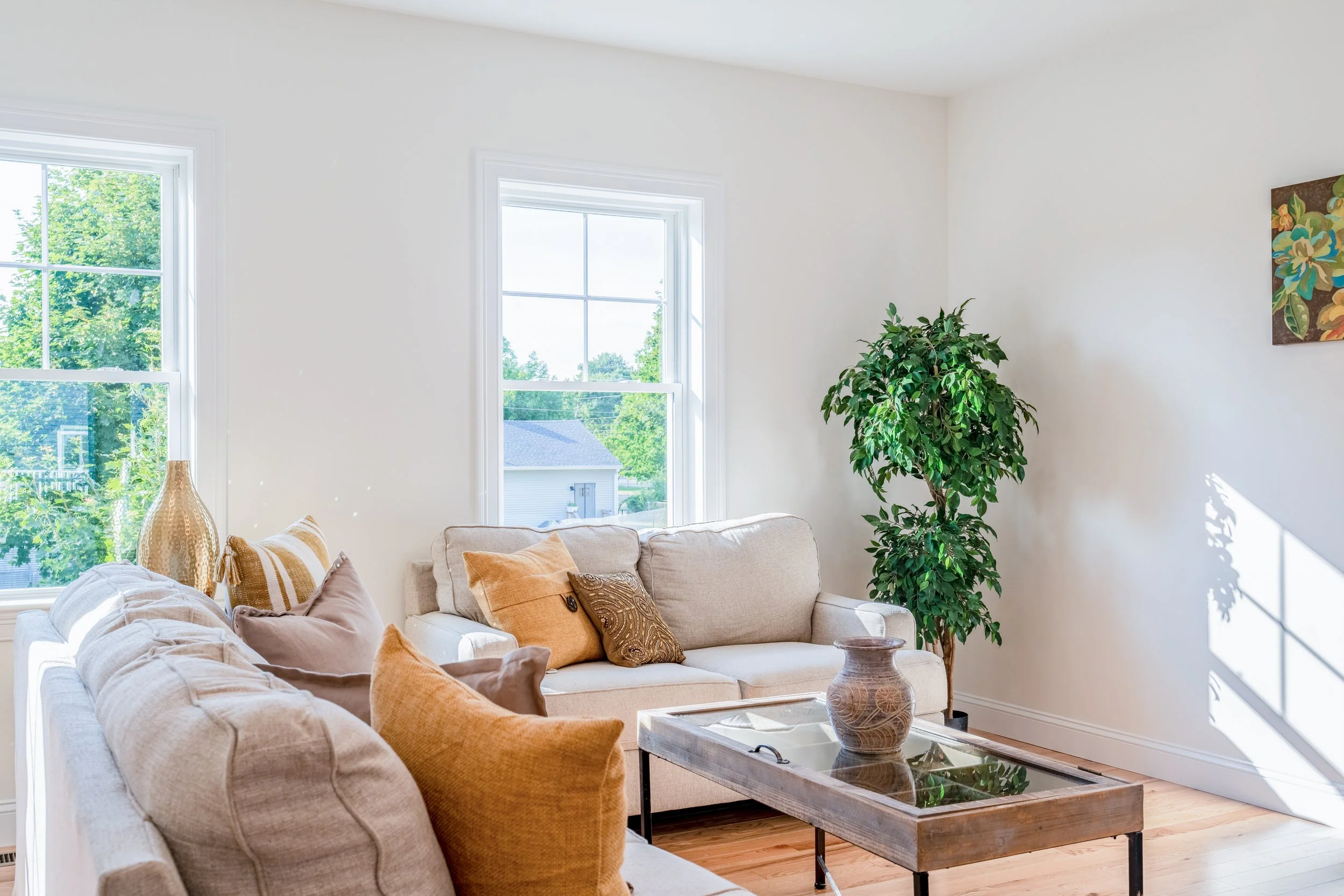
Strong Interior Photography Supports Stronger Listings
In competitive markets, buyers often make decisions based on how clearly they understand a home before stepping inside.
When interior photography feels cohesive and intentional, it helps buyers imagine themselves moving through the property.
That clarity supports stronger first impressions and more qualified showings.
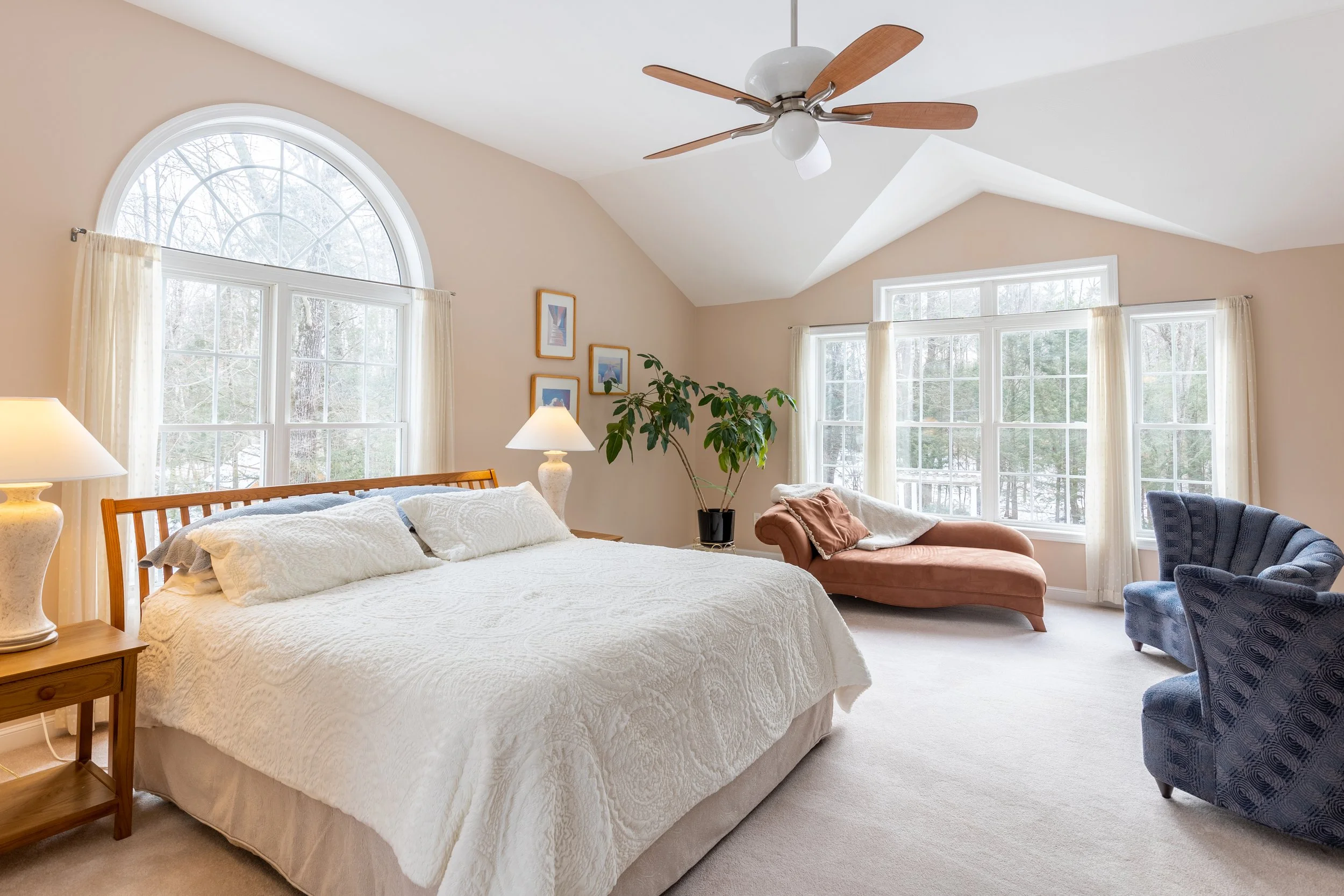
Final Thoughts
Interior photography isn’t just about showing rooms.
It’s about telling the story of how a space lives and flows.
When images reflect the way a property is actually experienced, they do more than document a listing. They help buyers see themselves in it.